
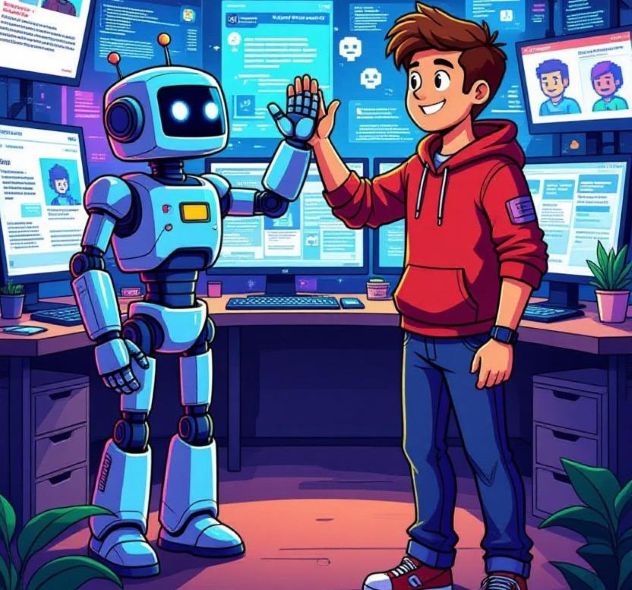
Video game players spend an average of 8.5 hours per week exploring virtual worlds. That passion keeps communities buzzing long after a title launches. Yet developers often struggle to keep the conversation alive between major releases. Enter AI blogging tools. These smart systems promise to fill the gap with fresh content that hooks fans without burning out creative teams.
Tools like Emplibot stand out for their ability to automate content creation like an AI SEO writer. Developers can input game data and audience insights, then watch as the AI crafts polished posts. It handles everything from keyword research to fact-checking, ensuring updates feel authentic and timely. This approach turns sporadic announcements into a steady stream of engagement.
Streamlining Patch Notes with AI Precision
Patch notes often read like dense manuals that players skim or ignore. But what if they told a story instead? AI tools transform these updates into engaging narratives. For instance, a fix for a boss fight glitch becomes a tale of heroic tweaks that enhance epic battles.
- AI analyzes player feedback to highlight key changes first.
- It adds visuals or teaser clips to make notes more shareable.
- Consistent formatting keeps everything professional yet fun.
Consider a studio like those behind open-world adventures. They release bi-weekly patches. Manually writing each one takes hours. With AI, the process shrinks to minutes. The tool pulls from changelogs, cross-references community forums, and generates drafts ready for a quick human review. Result? Players get detailed yet digestible info that sparks discussions on social media.
“We’ve seen reply rates jump 40% since automating our updates,” shares a lead community manager at a mid-sized indie studio. “It frees us to focus on listening, not just broadcasting.”
Crafting Community Stories That Resonate
Fans crave more than mechanics; they want lore and triumphs. AI blogging tools excel here by weaving player-submitted tales into official spotlights. Imagine a weekly “Player’s Odyssey” series born from forum threads and in-game achievements.
This isn’t random generation. The AI studies demographics—say, a surge in mobile gamers loving co-op modes—and tailors stories accordingly. It ensures diversity, spotlighting veterans and newcomers alike. Such personalization builds loyalty. Why? Because players see themselves in the content. For more insights on how AI tools are transforming game development, check out this guide on top AI tools for game developers.
- Generate short vignettes from anonymized data for privacy.
- Pair with polls: “What’s your wildest glitch story?” to fuel submissions.
- Repurpose for social: Turn a blog into a thread or reel.
Transitioning to real-world wins, studios report higher retention. One RPG developer used similar automation to share “hidden gem” quests monthly. Engagement metrics soared as players returned weekly, not just for play, but for the buzz.
Building a Rhythm Between Big Releases
Major launches dominate headlines, but lulls follow. That’s where consistent content shines. AI schedules posts around peak player activity, like evenings after work. No more forgotten drafts or missed deadlines.
Moreover, integration with platforms like WordPress or Twitter simplifies distribution. A single dashboard pushes updates everywhere. For publishers juggling multiple titles, this scales effortlessly. They can run parallel campaigns—one for a shooter, another for a puzzle game—without extra hires.
- Plan a calendar tied to events, like holiday-themed lore drops.
- Monitor analytics to refine future outputs.
- Blend AI drafts with dev quotes for that human touch.
Challenges exist, of course. Over-reliance on AI risks blandness if not overseen. Ethical tweaks matter too—always credit player stories and avoid hype over substance. Yet, when balanced, the upsides outweigh hurdles. Studios foster deeper bonds, turning casuals into superfans.
Real Studios Already Experimenting
A few forward-thinking teams dip toes in. Take Echo Games, creators of a hit survival series. They piloted AI for dev diaries last quarter. What started as experiment evolved into core strategy. “It’s like having an extra writer who never sleeps,” jokes their PR head.
Beyond that, larger publishers eye full automation. With budgets tight post-pandemic, tools that cut content costs by 70% draw interest. They boost SEO too, drawing organic traffic via smart keywords. Players searching “best builds” land on AI-crafted guides, looping them back to the game.
- Indies gain level playing field against giants.
- Global reach expands with multilingual options.
- Feedback loops improve: AI learns from likes and shares.
As esports rises, timely stories on pro plays become gold. AI scans tournaments, drafts recaps overnight. Fans wake to breakdowns that feel fresh and insightful. This rhythm keeps communities pulsing, even in off-seasons.
Looking Ahead: A Smarter Engagement Era
The gaming world evolves fast. AI blogging tools like Emplibot pave the way for smarter, player-first communication. By automating the grind, developers reclaim time for innovation. Fans win with richer narratives that extend play beyond screens.
Will every studio adopt? Likely not overnight. But those who do? They’ll lead in loyalty and buzz. Picture a future where updates aren’t chores, but celebrations. That’s the power of blending tech with creativity. Exciting times ahead for gamers and makers alike.